since 1976

since 1976
By Lee Pang Seng
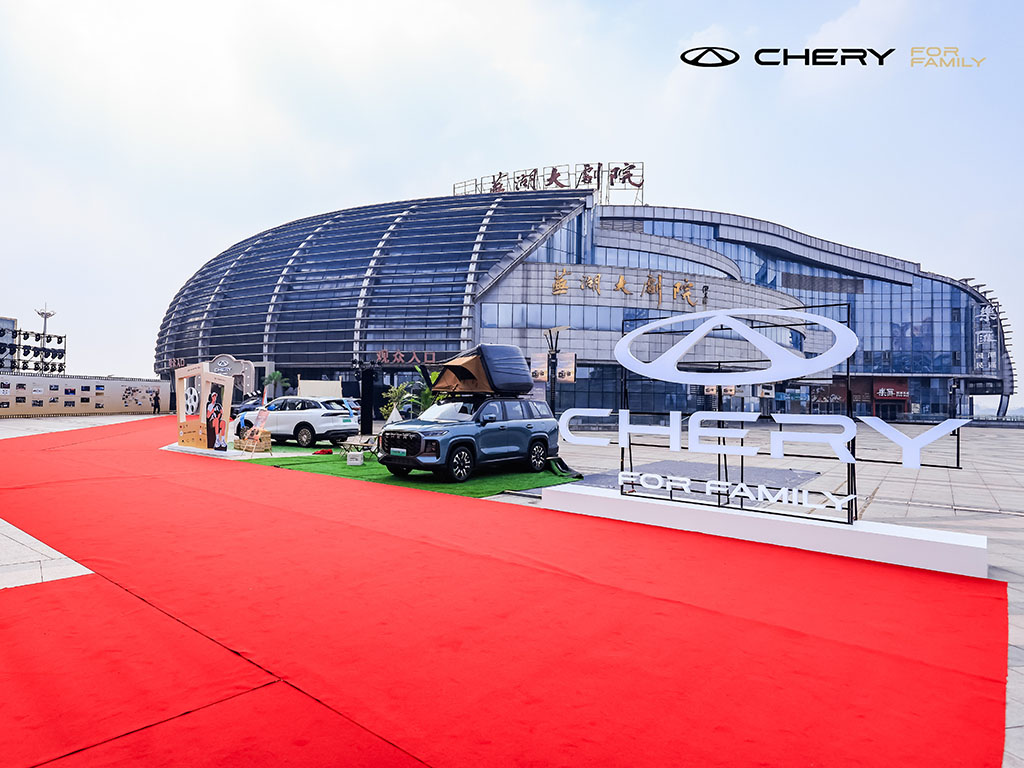
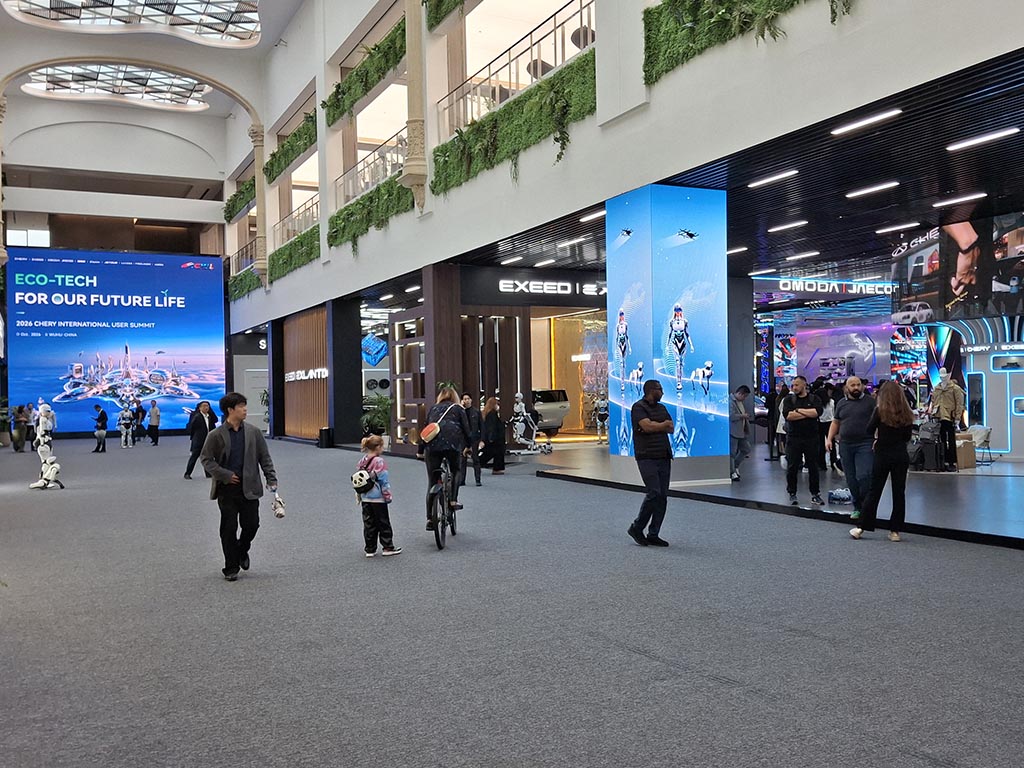
CHERY Automobile is here to stay, both in China and beyond, as it grows its footprint with attractive automotive products and expands into AI (artificial intelligence) using technology gained in producing passenger vehicles. We were clearly enlightened on this along with more than a thousand invited guests and media at its recent 2026 Chery International User Summit in Wuhu, China.
This is the fourth year that Chery is organising this annual summit and the theme for 2026 is ‘Eco-Tech for our Future Life’. Chery’s vision of the future is the expanded use of AI beyond the automotive field, in which it sees humans being assisted by robotics in all stages of life. It states clearly that robotics are not here to replace humans in the service fields it is exploring but to serve in an assisted capacity.
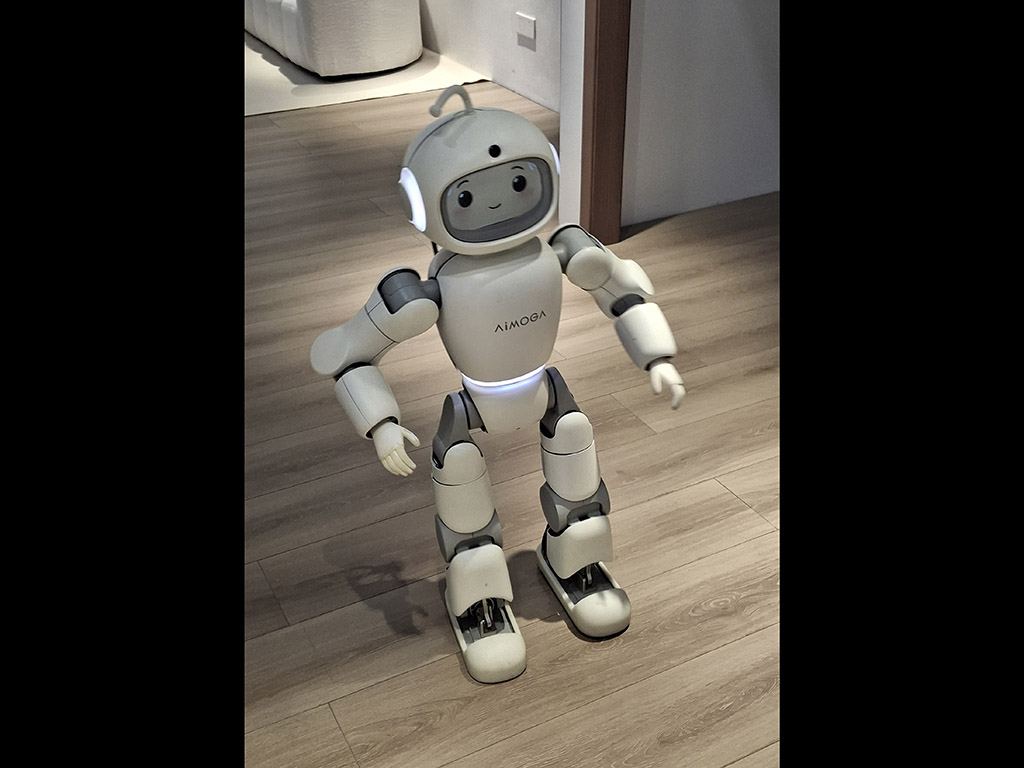
Thus, its range of robots, whether in the form of a woman, man, child or dog, as presented at the summit are designed in that direction. As expected, Chery’s products are highly convincing in their level of movement flexibility and learning capacity to real-life situations. Take its MoBo child-like creation; it is 90cm tall, has a cheerful and receptive face, human-like mobility and a great capacity to learn (with long-term memory) by observing the people it is meant to provide assistance to.
MoBo is designed to serve as a family companion to both young and old, learning the preferences and habits of its charge to be an almost human-like AI assistant. It also serves as the communicator between the parent or son of the person it is assigned to, as its ‘face’ serves as the visual link when a handphone call is made.
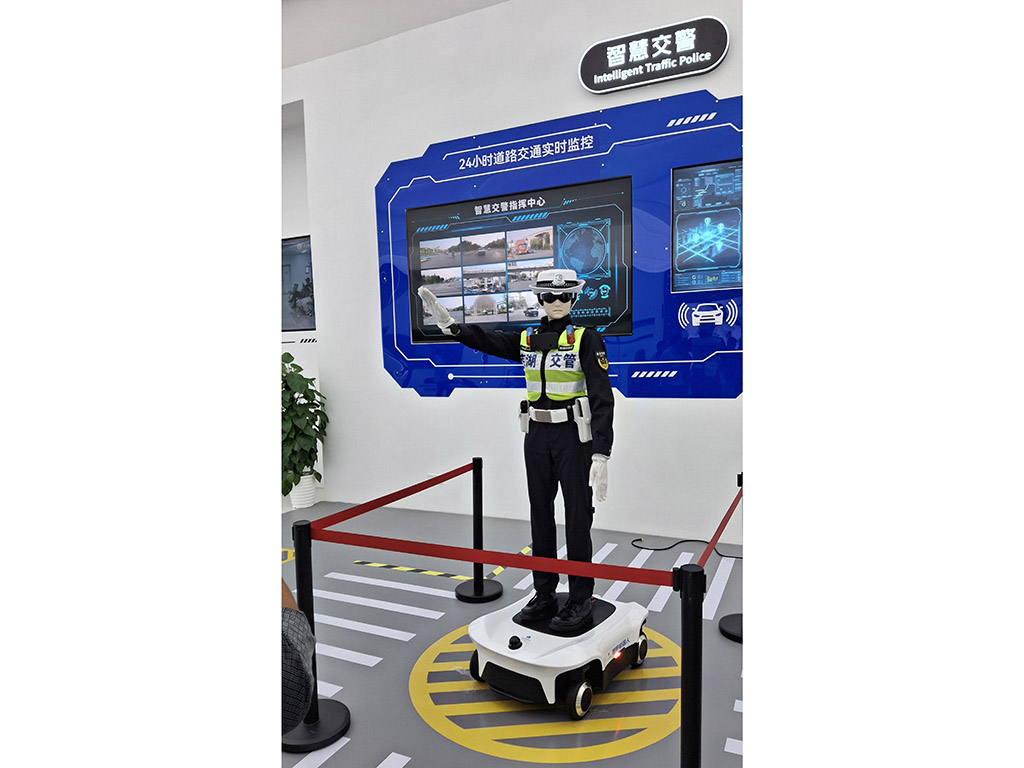
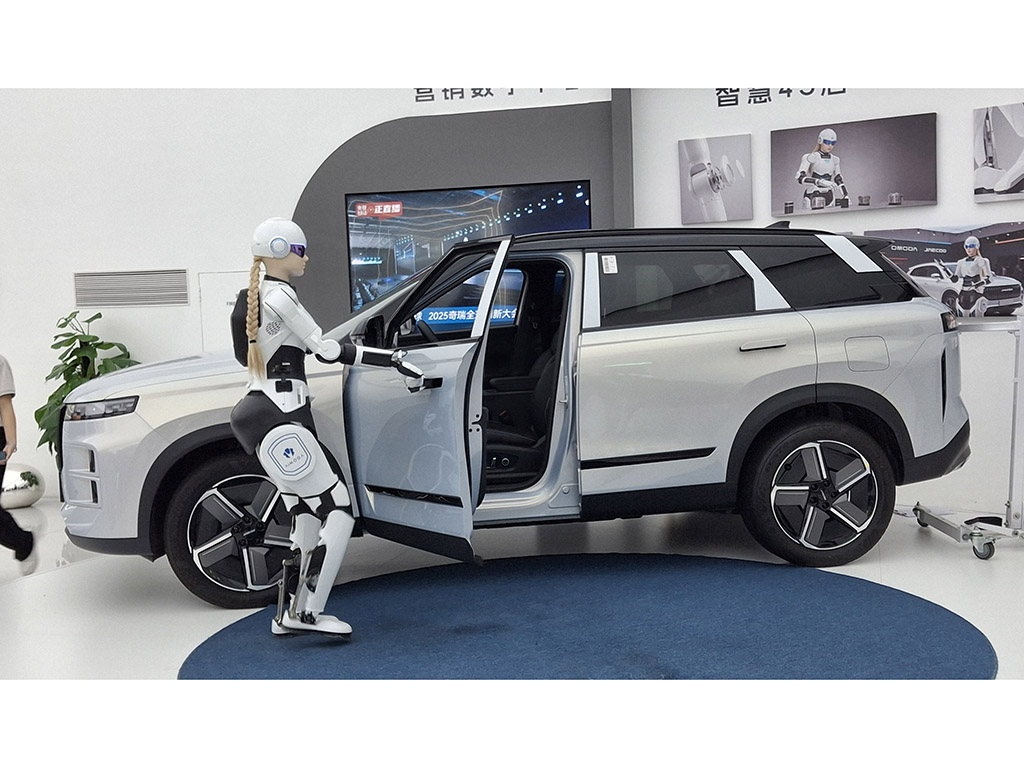
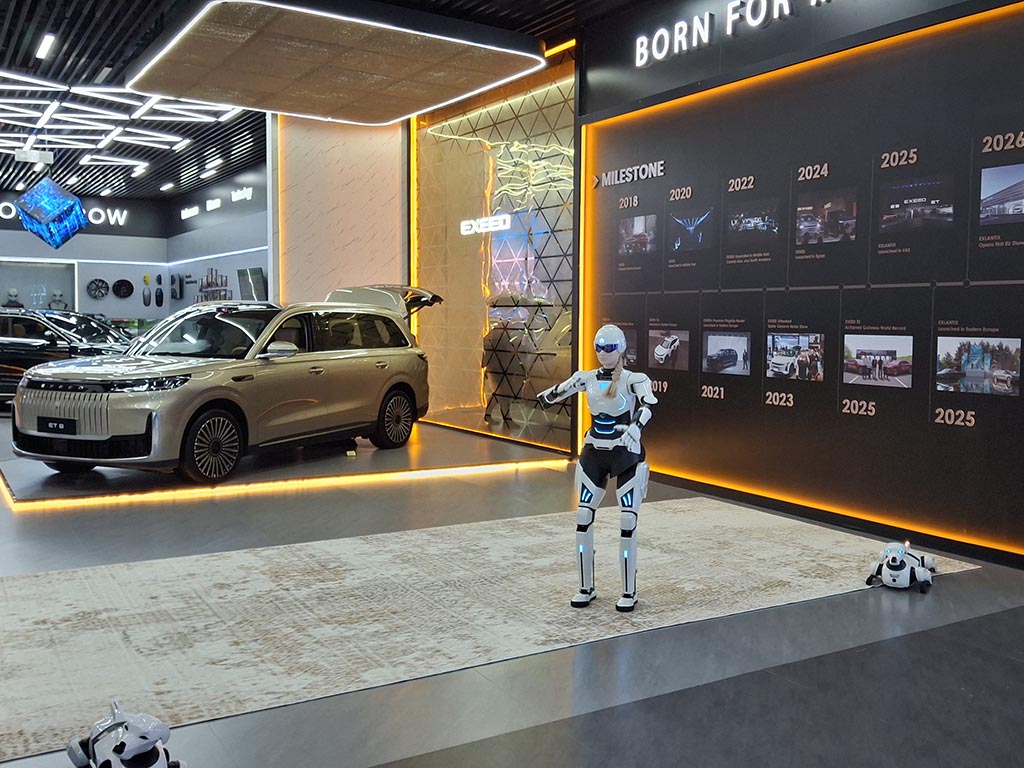
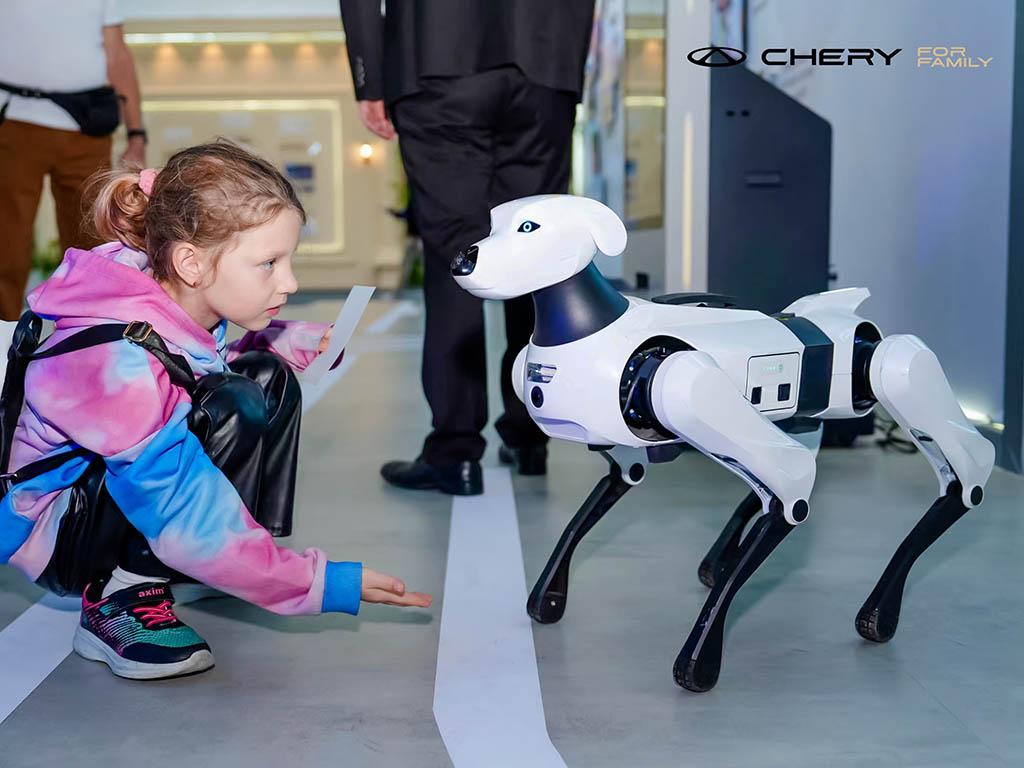
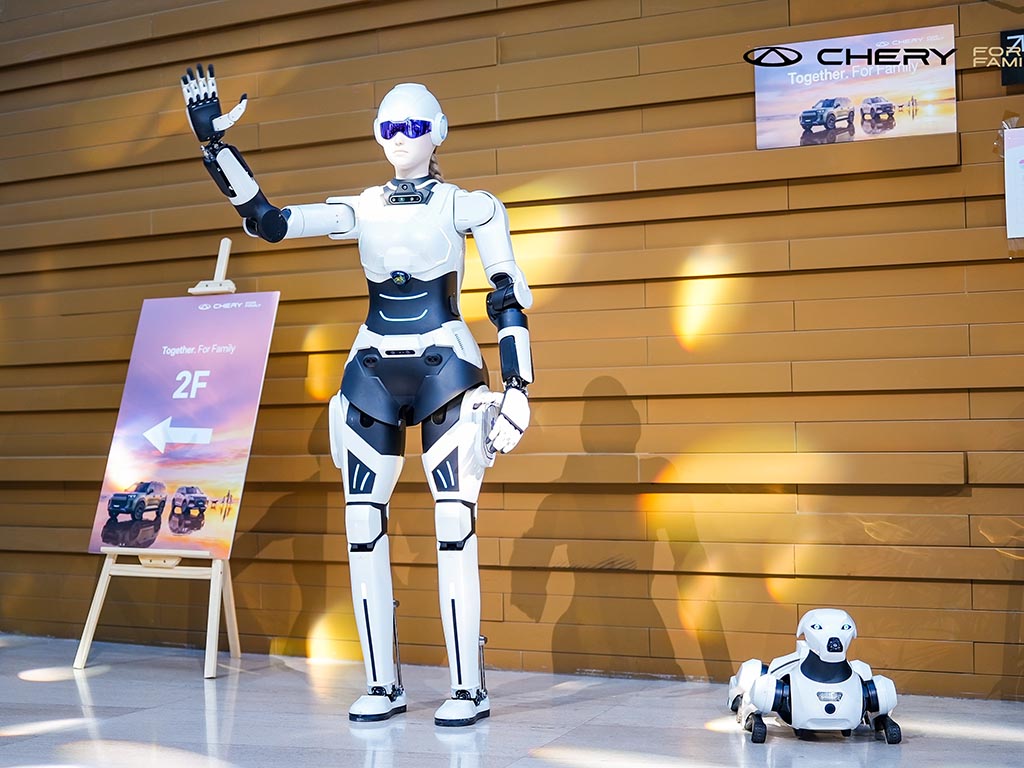
While its woman and canine robots (Argos Pro) are already in active service, the former in helping police direct road traffic, the medical sector as well as serving as product presenter in car showrooms, Chery is also in an advanced stage with the male version called an AI Agent. Chery carries out its robotics venture under a new company called AiMOGA,
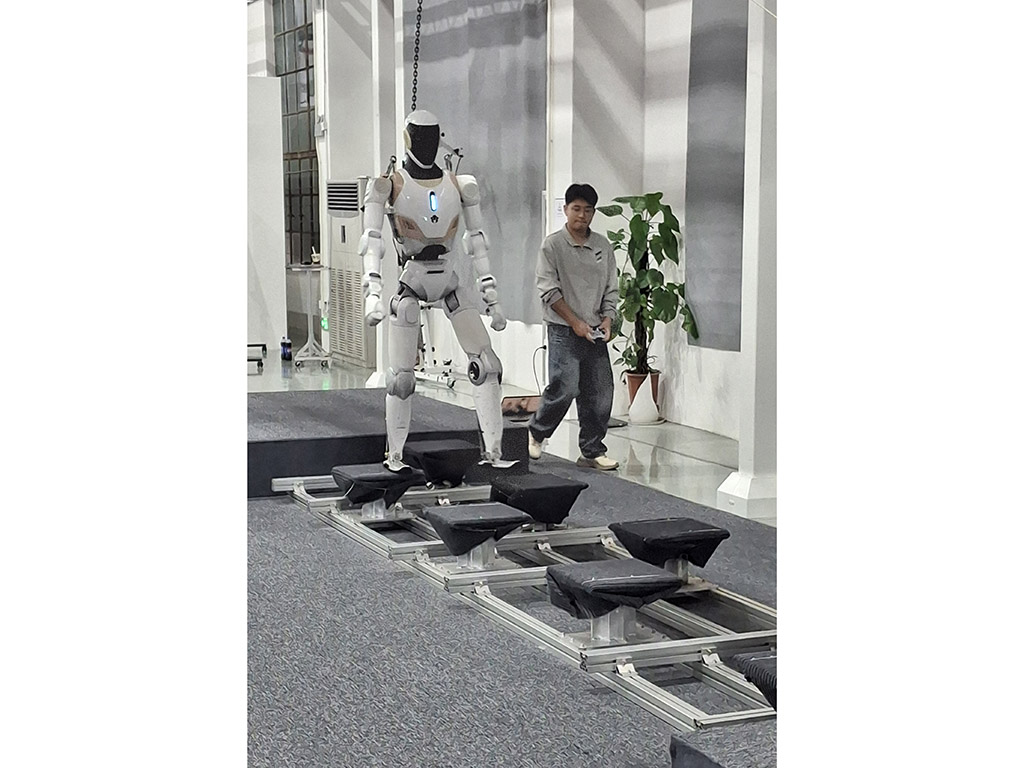
It is as good as it gets as the AI Agent could cover all kinds of terrain; going up and down stairs and inclines easily, cross uneven platforms and pathways as well as runs. Chery intends to participate in the robot race in China next year to observe how its AI Agent would compare against others in the industry. Chery uses what it has mastered in automotive intelligence in its robotics venture.
Its AI Assistants could communicate in more than 20 languages as a reflection of its global ambitions and Chery says its products are already available in more than 60 countries, with more than 3000 commercial deliveries made. AiMOGA holds several patents for its robots. By the way, Universiti Malaya is among the many involved in the skill learning process of its AI Agents.
Chery: Strong Global Inroads
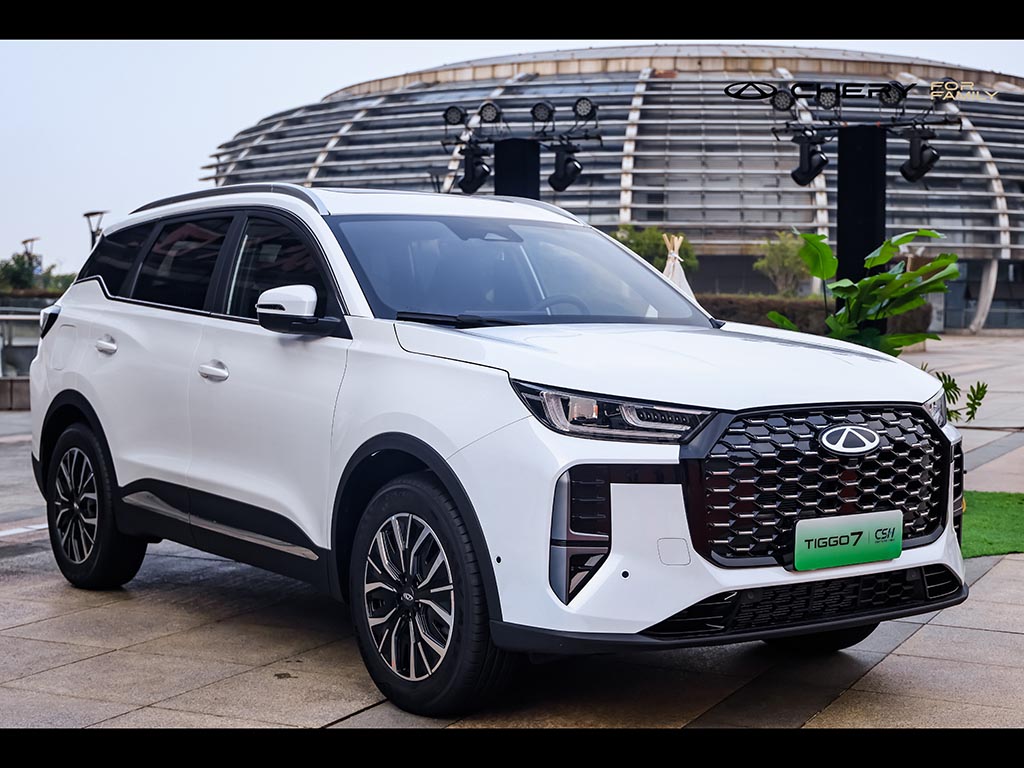
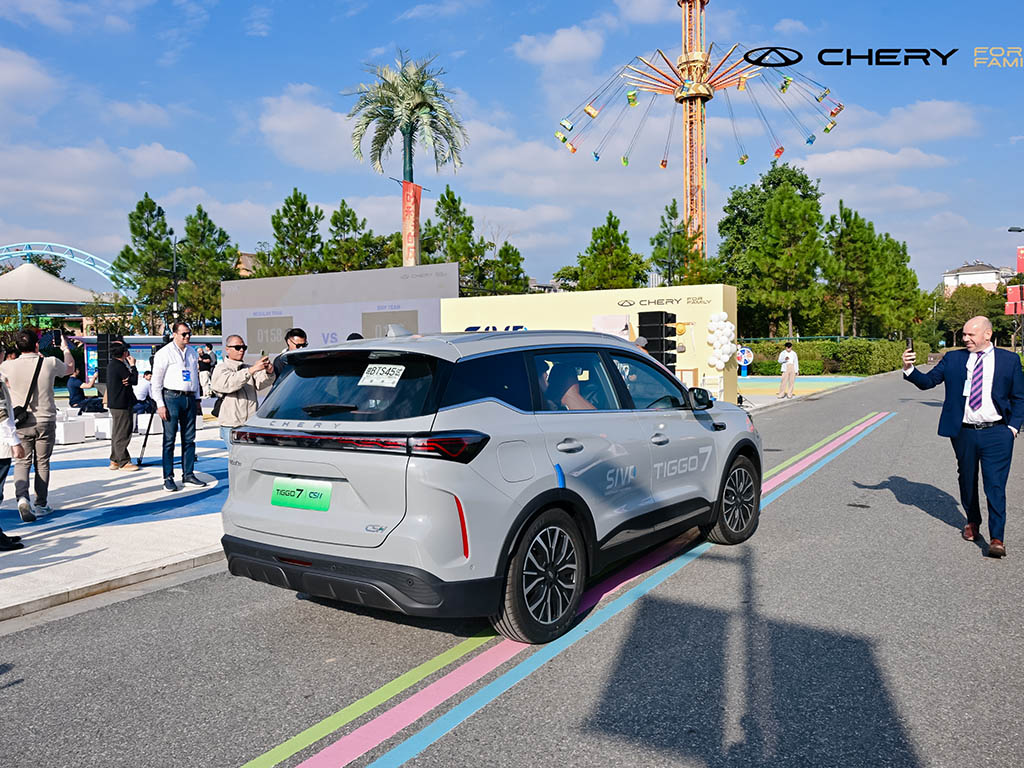
FUTURE scenarios aside, Chery the automotive company is among the few Chinese giants making quick inroads into Europe, the Middle East, South America, Africa and Asia-Pacific markets (that include Malaysia). Its Tiggo 7 SUV (sport utility vehicle) is among its best sellers and the response to other Tiggo model variants is described as encouraging.
For a better understanding of its current global standing, Chery says that one in every four vehicles exported from China is from the Group. In the first half of 2026, it ranks ninth in global sales with 1.36 million vehicles and in August 2026, it was the fifth best seller with more than 280,000 vehicles. Although it started exporting vehicles in 2001, its export numbers grew strongly from 2021 and it expects to hit the two millionth mark this year.
Based on its August 2026 data, Chery is the second-best seller in lefthand drive markets (rising from sixth in 2023) with 94,000 vehicles. It is also second best in righthand drive countries with more than 41,000 vehicles (a big leap from 34th in 2023) while its EU (European Union) sales performance saw it rising from 44th in 2023 to 17th this year with 17,000 vehicles.
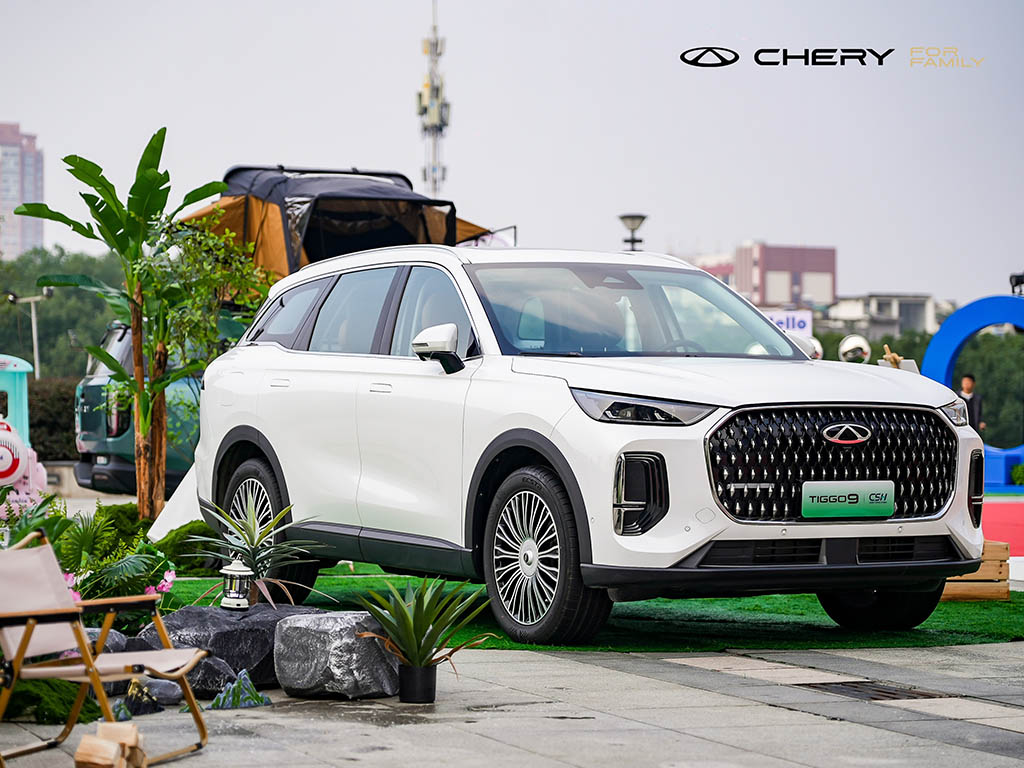
Lending to its strong sales performance are its NEVs (new energy vehicles) that gained good global recognition. NEVs include both PHEVs (plug-in hybrid electric vehicles) and BEVs (battery electric vehicles). Its NEV range is the best seller in the UK and Israel (Jan-Aug 2026) while it was top seller in Thailand (August 2026) and Indonesia (May 2026).
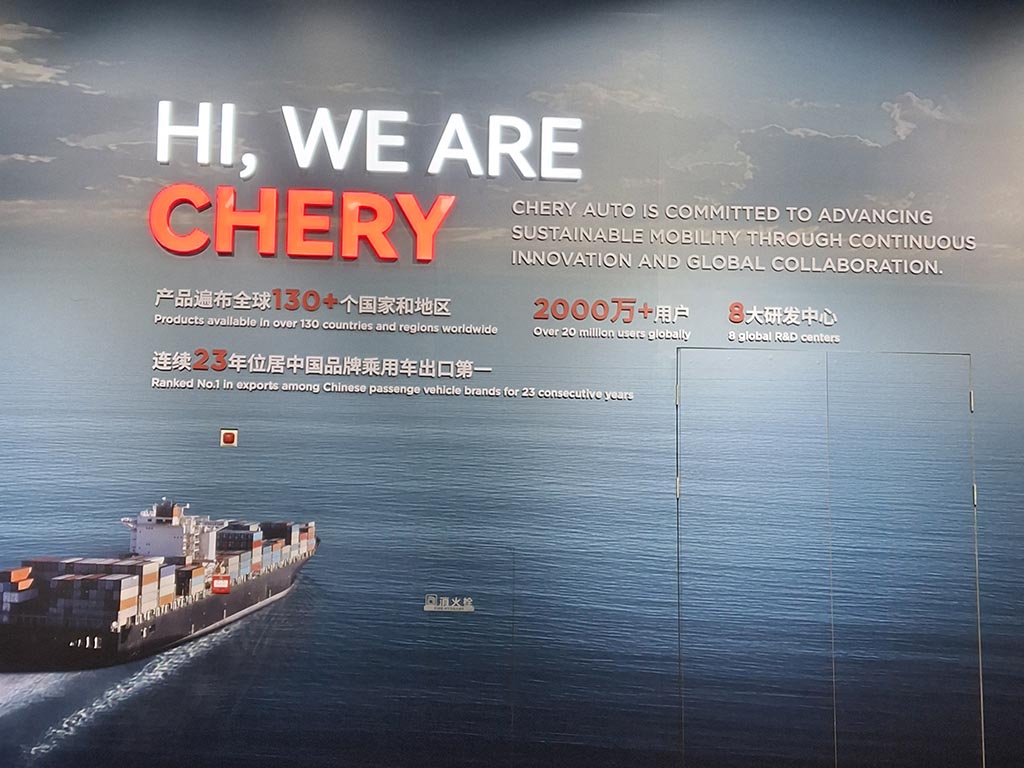
Its 25 years of global experience saw it expand to more than 130 countries with more 7.4 million customers. Early markets where it has more than 20 years’ experience include Egypt, Saudi Arabia, UAE (United Arab Emirates), Kazakhstan and Turkey while it has more than 10 years’ presence in several countries including Malaysia, Thailand, Australia, Brazil, Italy, Chile, South Africa and Morocco.
Chery describes its global success in the respect it employs in ‘understanding, meeting and co-creating’ customer needs, which earns respect from customers in return, global R&D (research and development) involving local universities among others, global manufacturing with local involvement and global collaboration in ‘Tech & Manufacturing’ with using green materials high on the list.
The Chery Group
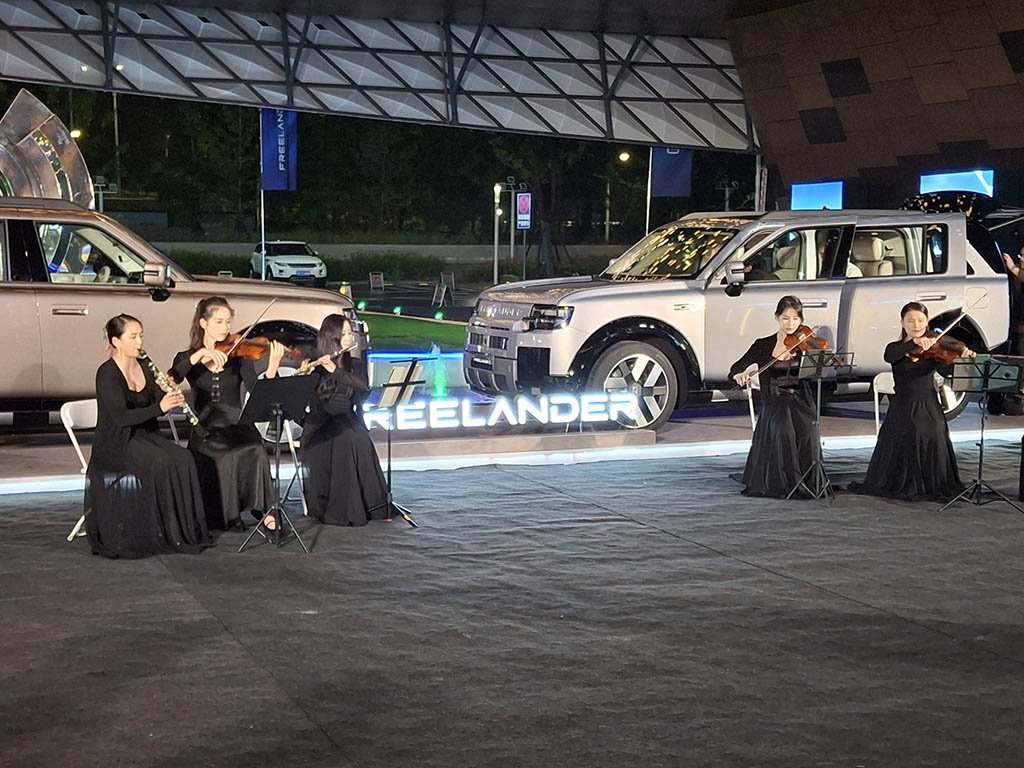
THE Chery Group has many brands under its umbrella as it appears to rival the Volkswagen Group. In addition to Chery, there are Omoda, Jaecoo, Icaur, Lepas, Jetour and a new addition Freelander, which was leased to it in 2024 by Jaguar Land Rover (JLR). The last brand was made possible as Chery had been producing and selling the JLR range in China in a joint venture that started in 2012.
These are the brands that are part of the Chery export programme. In China, Chery has two other brands in the Exeed and Luxeed, which focus primarily on NEVs. There is a sub-brand under the Exeed range called the Exlantix.
Despite so many brands in the Group, Chery says that there are different positioning and technology with different brands, and not all the brands are being pursued with volume ambitions. We presumed that to mean the brands sold only in China.
Chery is positioned as a family range, Omoda is meant to be a ‘Cross for the Future’, Jaecoo is seen as ‘From Classic Beyond Classic’, Lepas to ‘Drive Your Elegance’, Icaur is promoted as ‘Classic Never Fades’ and Jetour is ‘Drive Your Future’. As the Freelander is a newly added brand to the Chery Group, its positioning was not stated during the recent summit.
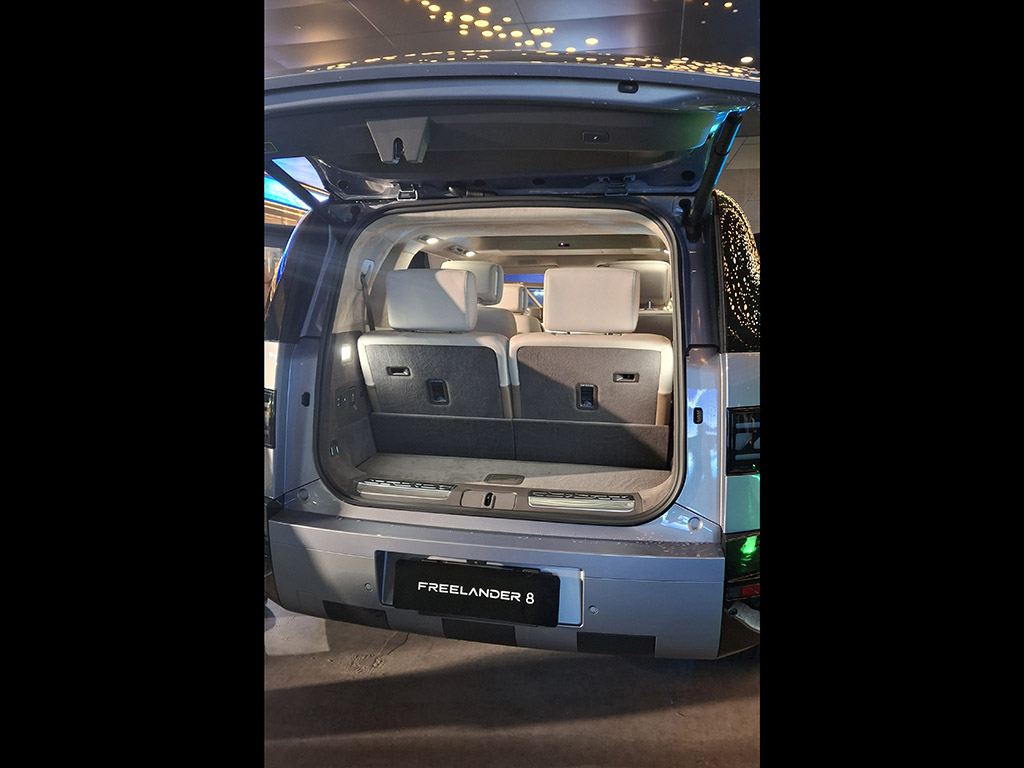
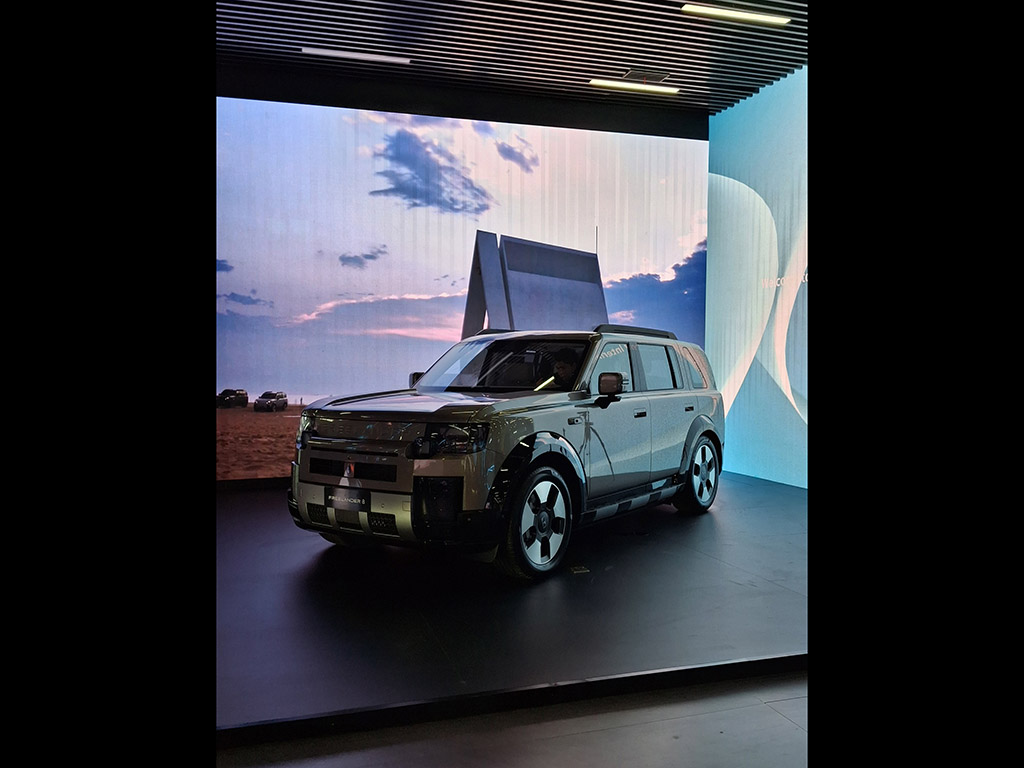
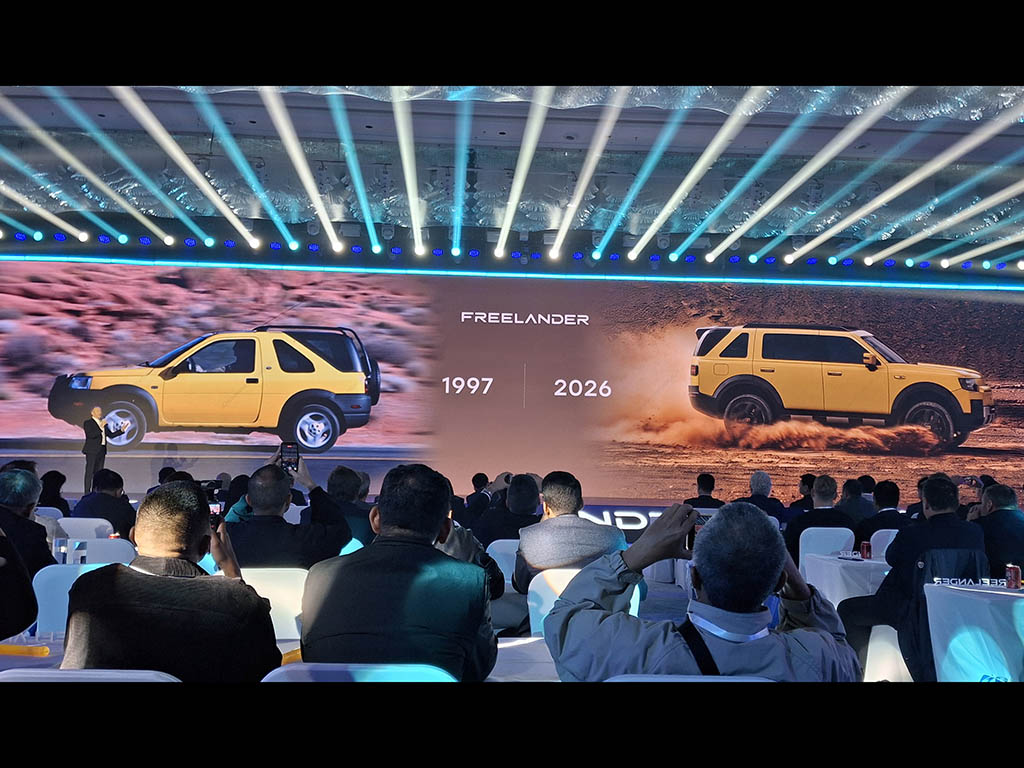
During the weeklong event, Chery gave the Freelander 8, a model under this new brand, a full launch involving JLR. However, this model would only see its first global launch in the UAE in the first quarter of 2027.
For the past two years, Chery and JLR worked jointly to develop the Freelander 8 that sees familiar body design cues from the original Freelander (which was introduced in 1997 and discontinued in 2014). This is because its body styling is still executed by the designer behind the Freelander from the very beginning, Phil Simmons, who is a director, Freelander Design Hub.
It continues iconic design themes like the overlapping headlamps, now in LED (light emitting diode), triangular window at the rear and debossed Freelander name on the tailgate. At 5118mm in overall length with a 3049mm wheelbase, the Freelander 8 is anything but an entry level model that the original Freelander 2 was. In fact, it is more Range Rover in body dimensions, if not bigger.
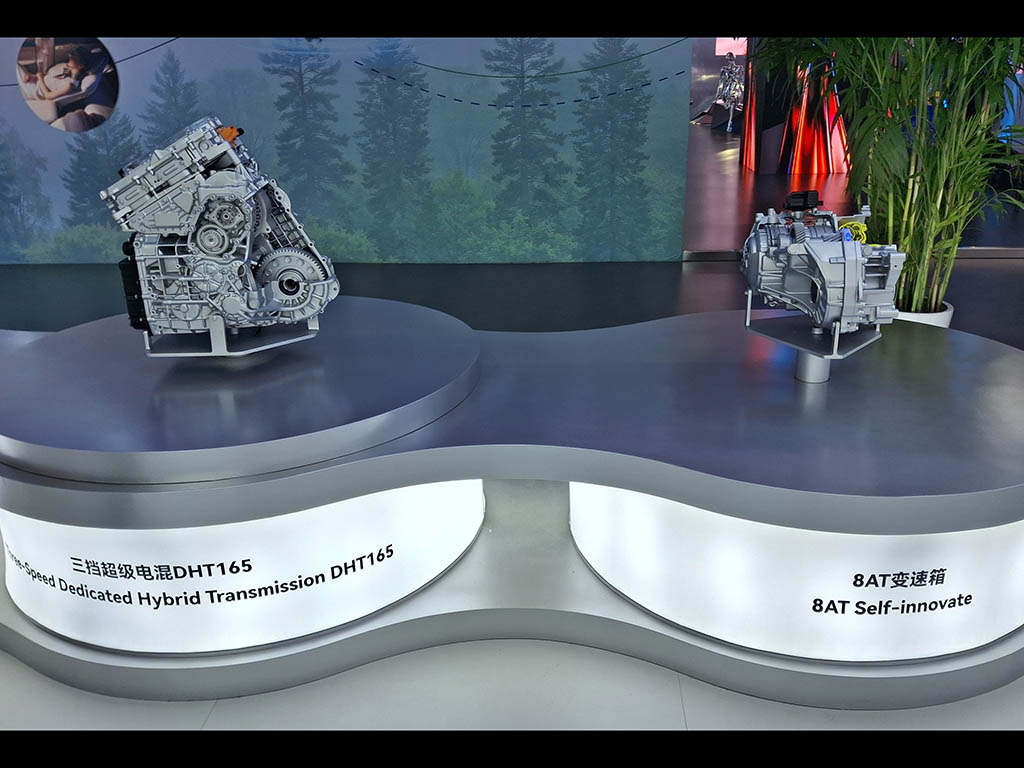
This is a US$3.1 billion joint venture between Chery and JLR that has seen to an ‘Intelligent Manufacturing Base’ in Changshu, China with 1100 robots, 100-per cent automated welding and top-tier global suppliers. The British craftsmanship is in the body styling and interior but the PHEV drivetrain platform is purely Chery’s.
This comprise a 2.T Dedicated Hybrid Engine that is assisted by a two-electric motor AWD (all-wheel drive) system. The combined power is given as 460kW (625hp) and 662Nm, with 0-100km/h performance of 5.8 seconds. The 34.1kWh LFP (lithium iron phosphate) battery provides more than 110km in electric range (the combined range is 886km) and 30-80 per cent DC (direct current) charging is achieved in under 20 minutes.
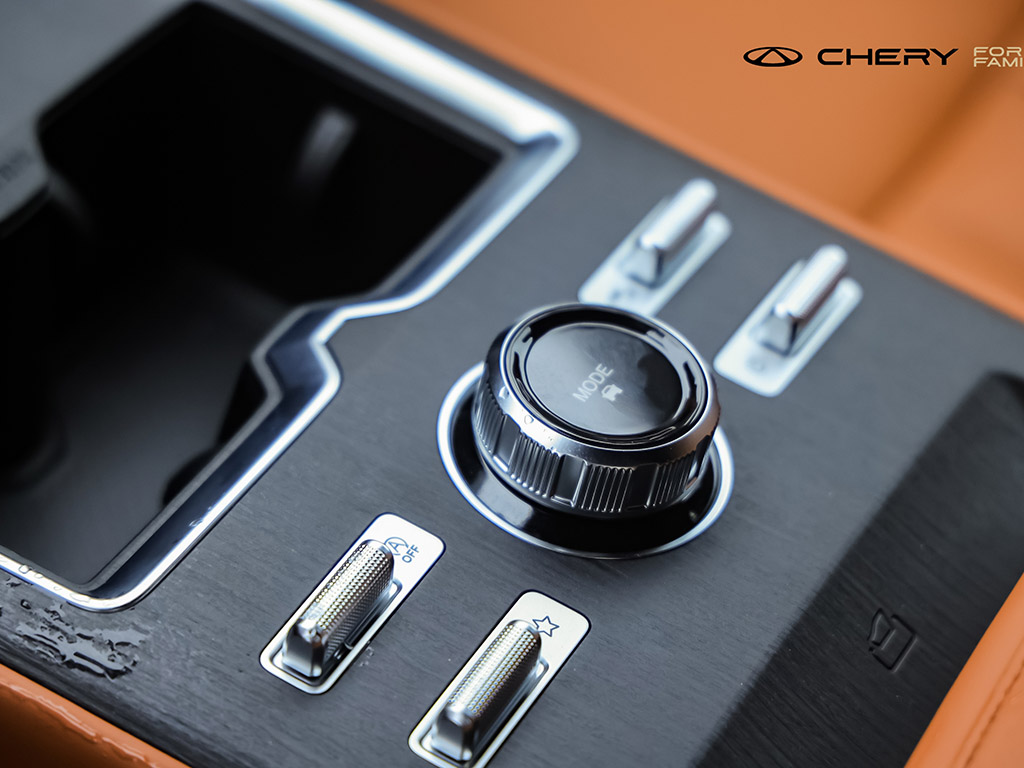
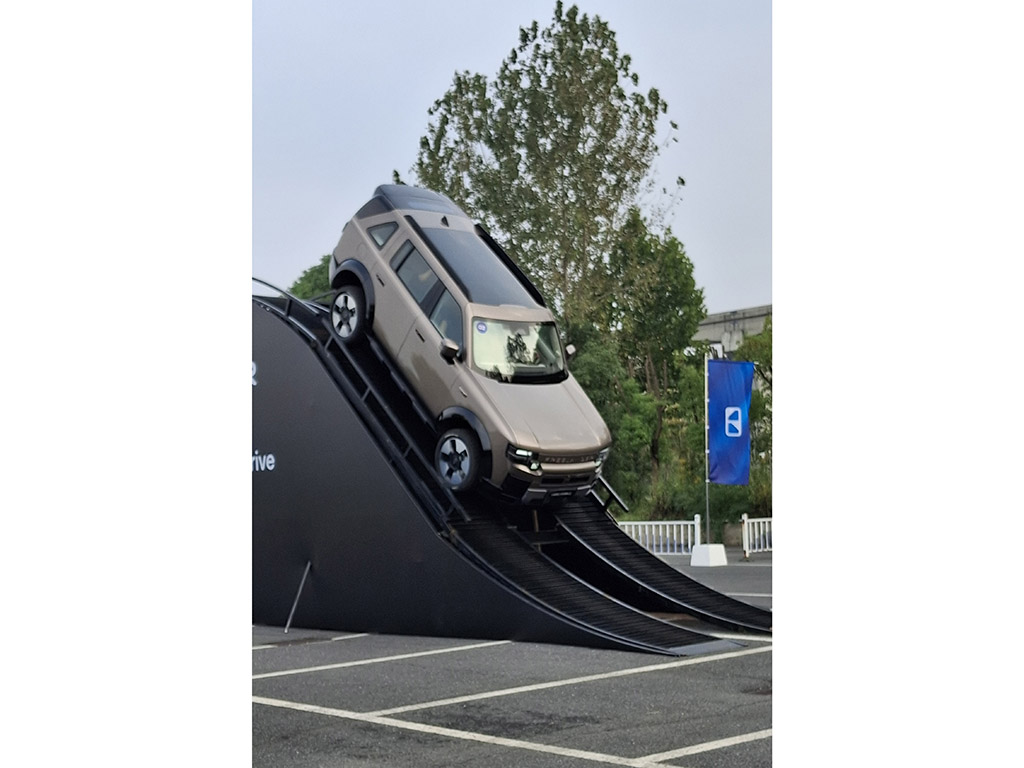
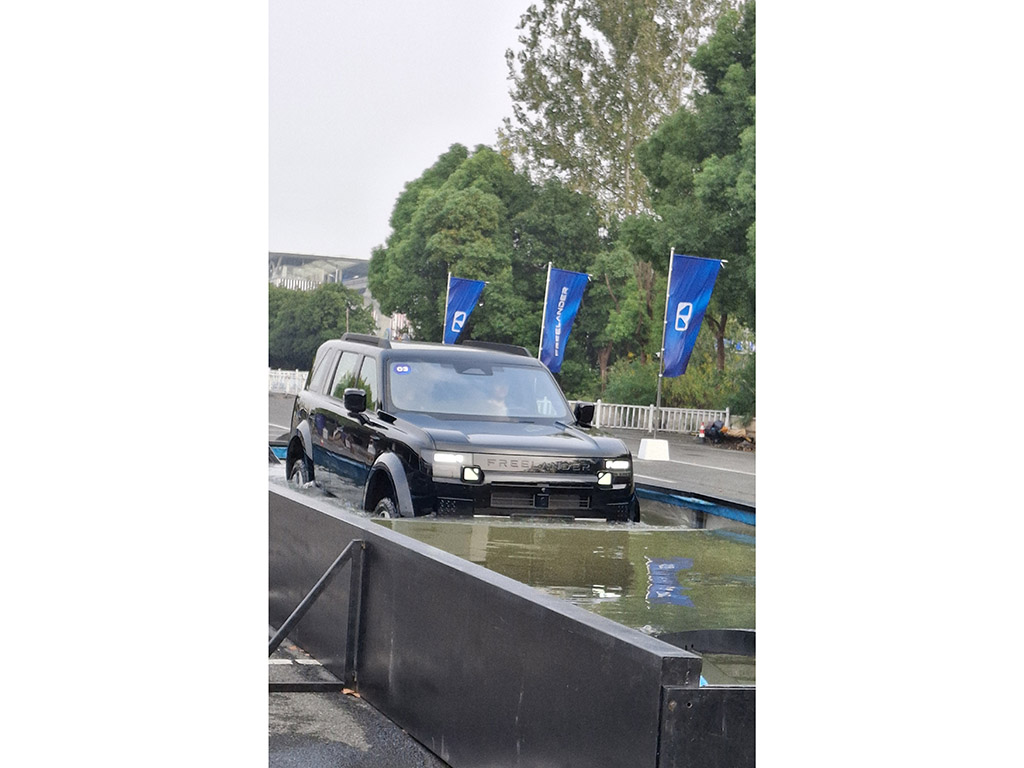
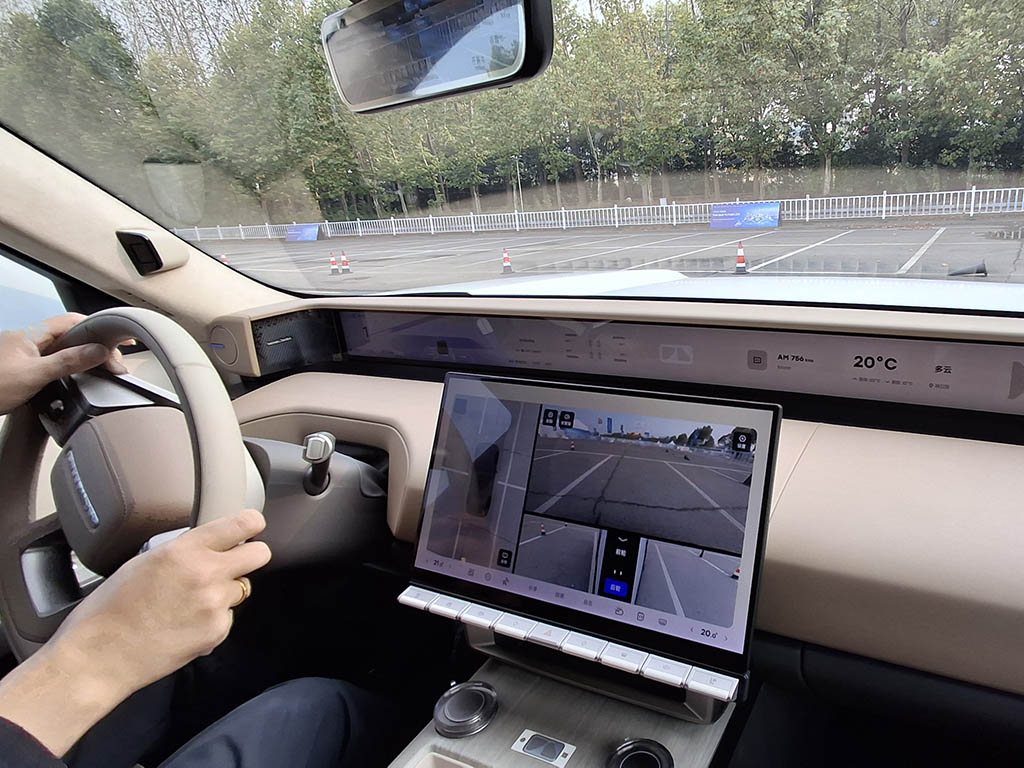
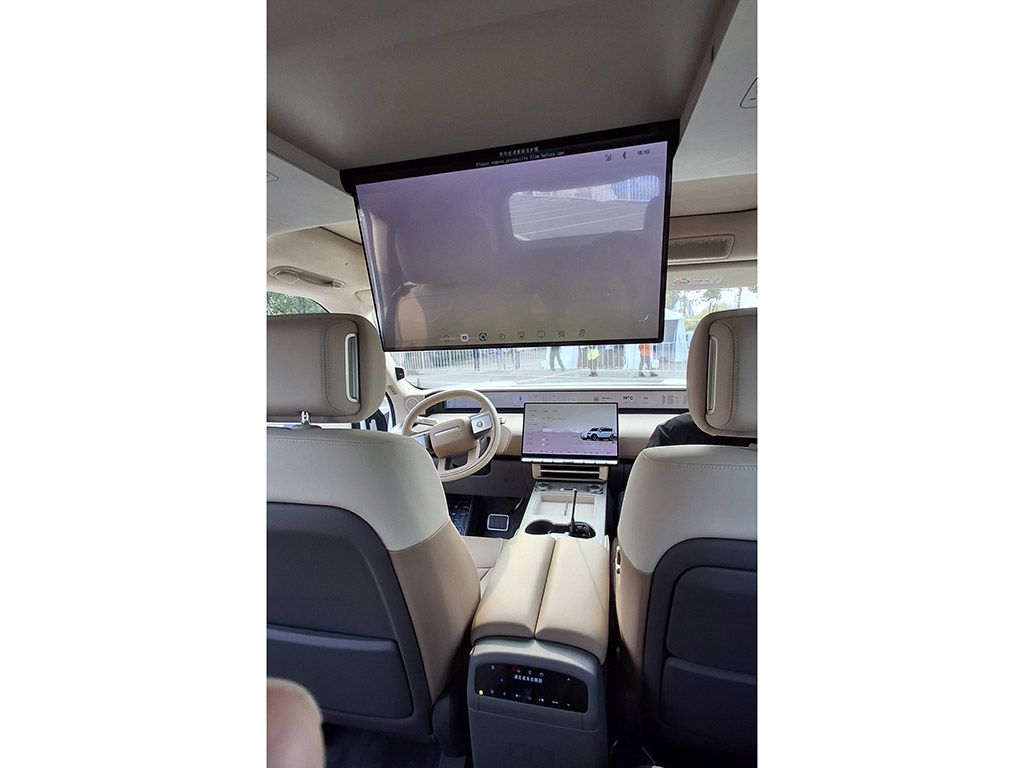
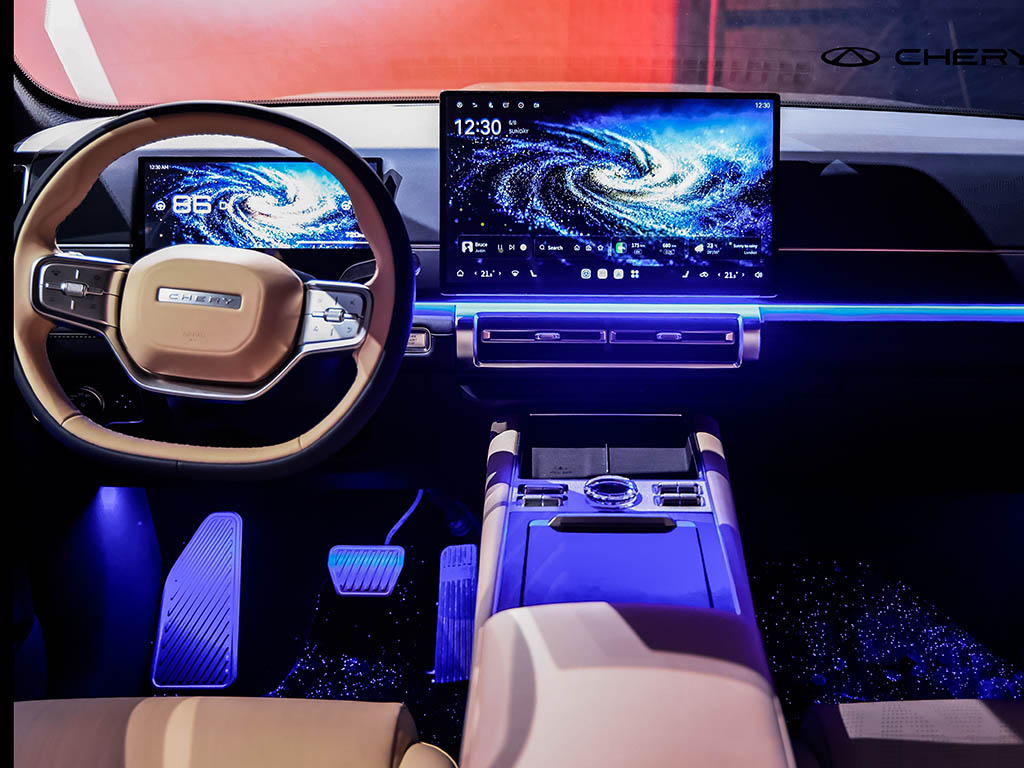
Other highlights include nine i-ATS modes that include seven terrain programmes, one smart mode and one expert mode. It has a 70-per cent gradient climbing ability and 900mm wading depth. Inside, there is a 46.3-inch Farside Integrated Display that spans the distance between the front A-pillars with a 15.6-inch centre display (to access the drive functions with touchscreen convenience).
We were given a drive and chauffeured experience at a dedicated course in the Freelander 8. The chauffeured session was for the climbing and wading experience as well as handling uneven terrain. With the correct drive mode selected via the centre touchscreen, the Freelander 8 took to the respective section easily.
For the slalom drive, taking the Freelander 8 through the two sharp turns around 35-40km/h was easily done. Steering was quite precise and as expected, there was some body roll for a vehicle of its dimensions. Nevertheless, the body lean was quite well checked for us to feel confident driving the Freelander through this section at the recommended speed.
New Tiggo 7 preview
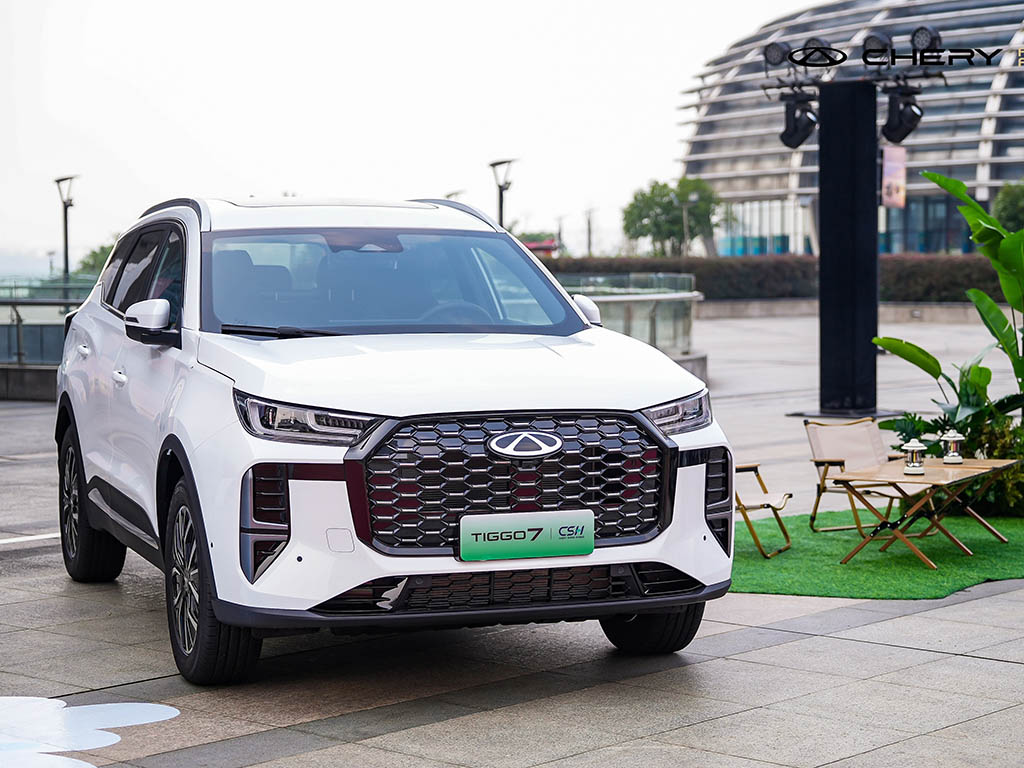
Chery also gave guests a preview of the third-generation Tiggo 7 during the family night event, during which it brought four Tiggo 7 buyers (and their families) from four different countries to relate their positive ownership experiences. This included someone from the UK whose surname is actually Chery.
The latest Tiggo 7 saw more of a body styling upgrade rather than a complete vehicle overhaul, with the front and rear reflecting new LED (light emitting diode) headlamp and rear LED lamp design, among other fresh details. No hint was given about the powertrain and we believe it would be largely the same as the current Tiggo 7.
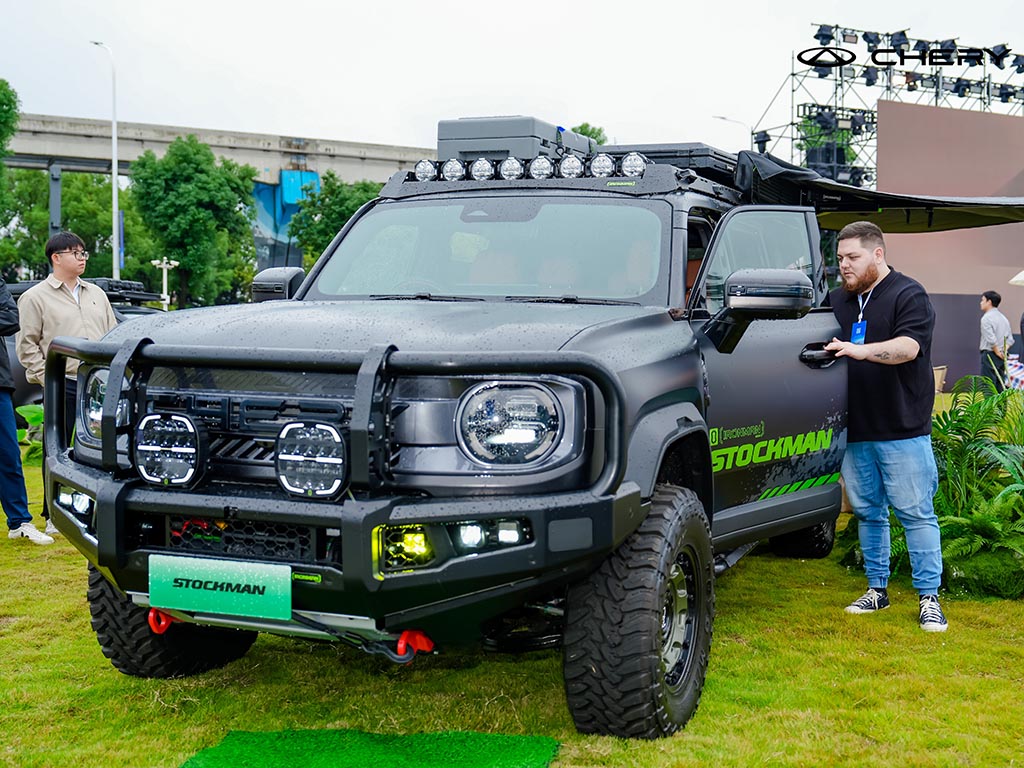
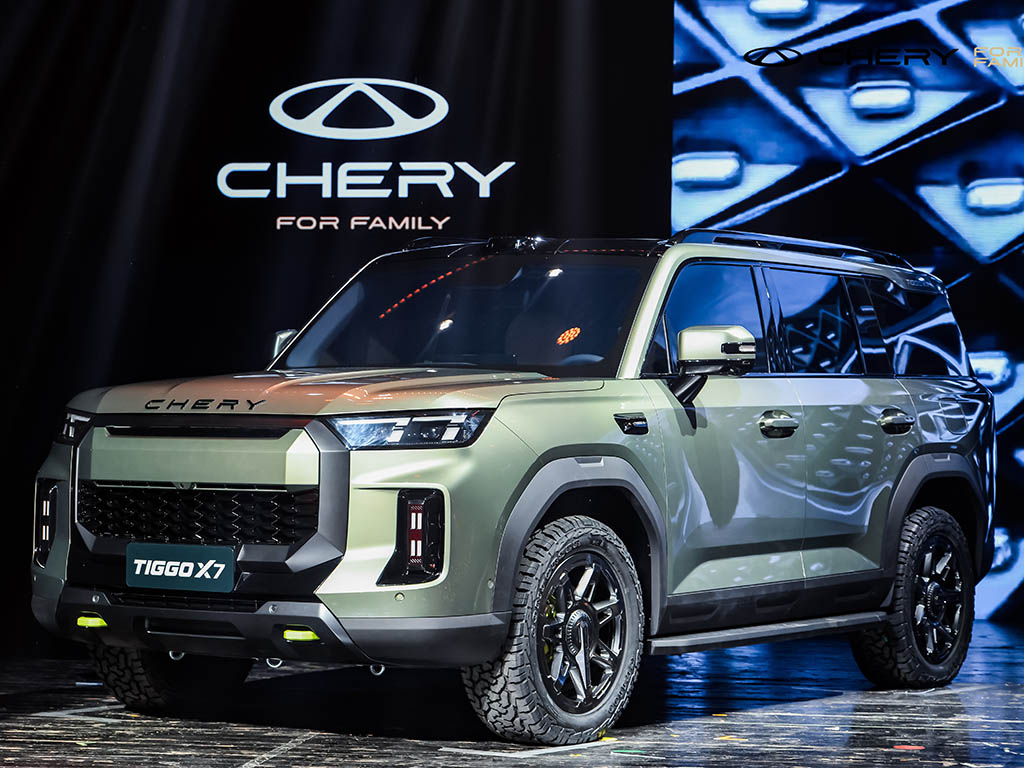
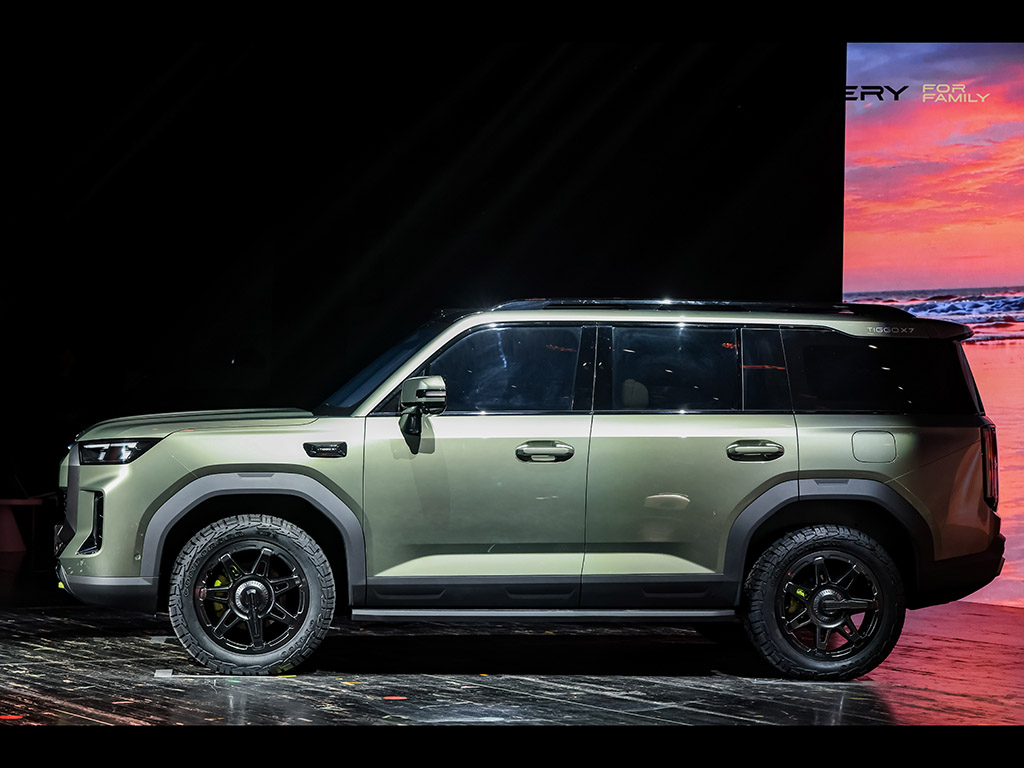
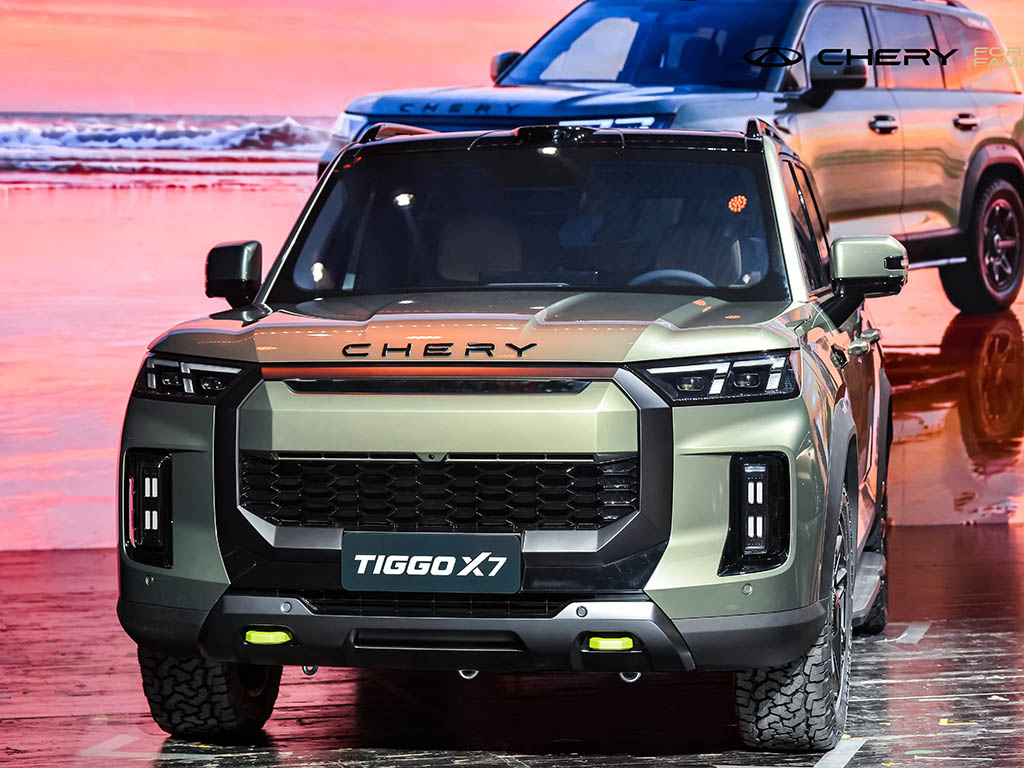
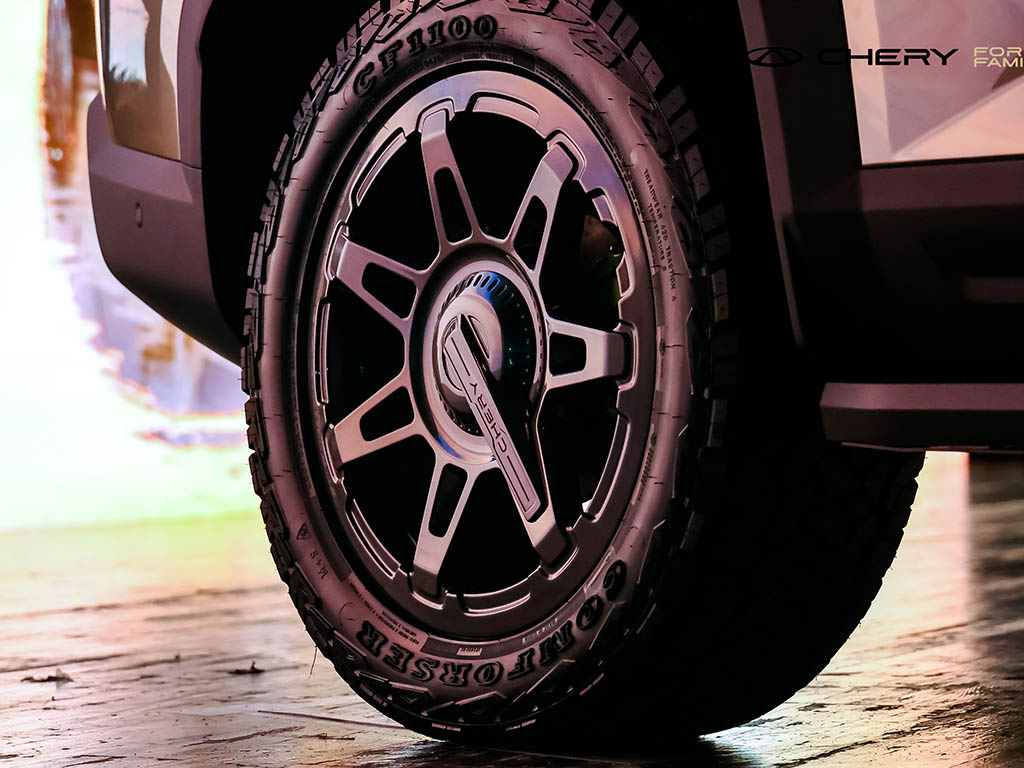
What is more interesting is the addition of a new variant, Tiggo X7, which has nothing to do with the BMW X7 other than sharing the same name. It has a different nose design from the Tiggo 7 and is the first of the Chery X product range that is targeted at those with a greater sense of off-road adventure.
Chery describes the latest Tiggo 7 and X7 as ‘family-focussed and high-quality, comfortable C-segment SUVs’ with different customer targets. Dimensionally, there are differences over the current Tiggo 7; the third-gen Tiggo 7 is longer at 4564mm (current Tiggo 7 Pro 4513mm, PHEV 4553mm) while the X7 is stretched to 4600mm. Likewise, the wheelbase is also longer at 2700mm against the second-generation’s 2670mm.
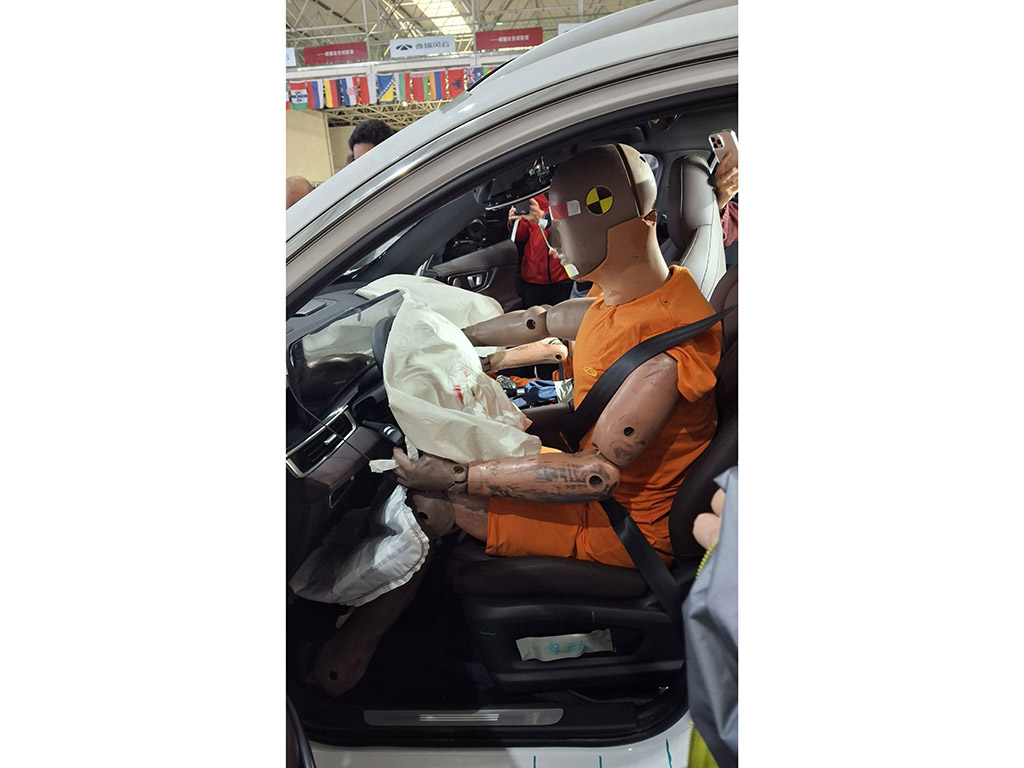
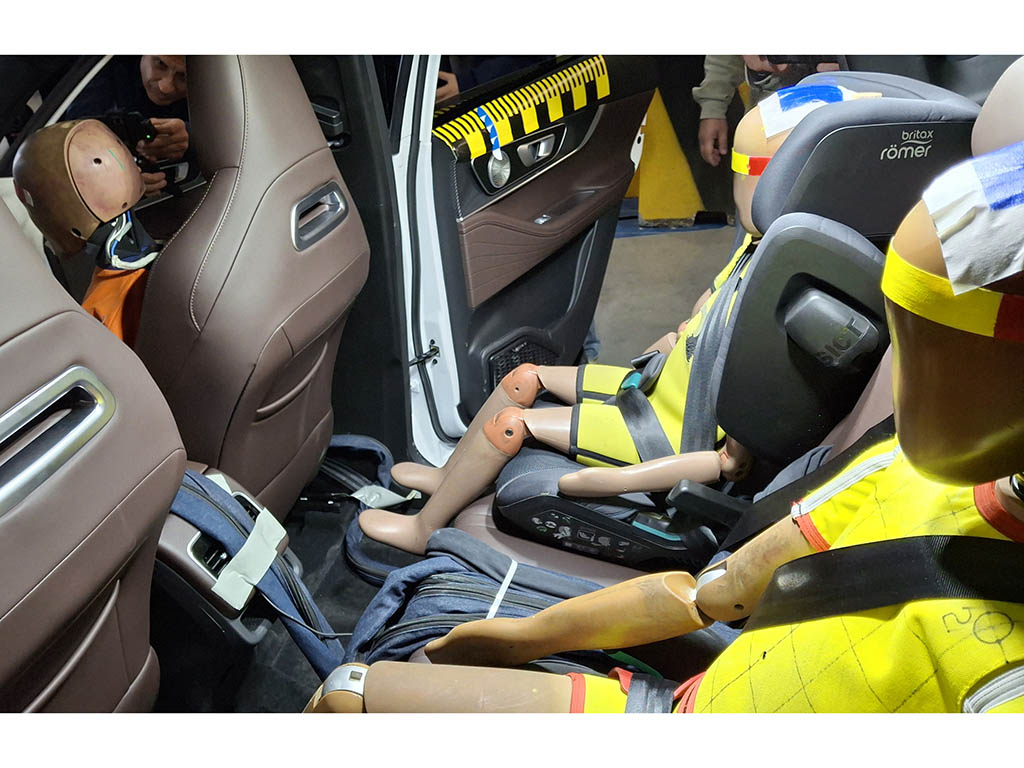
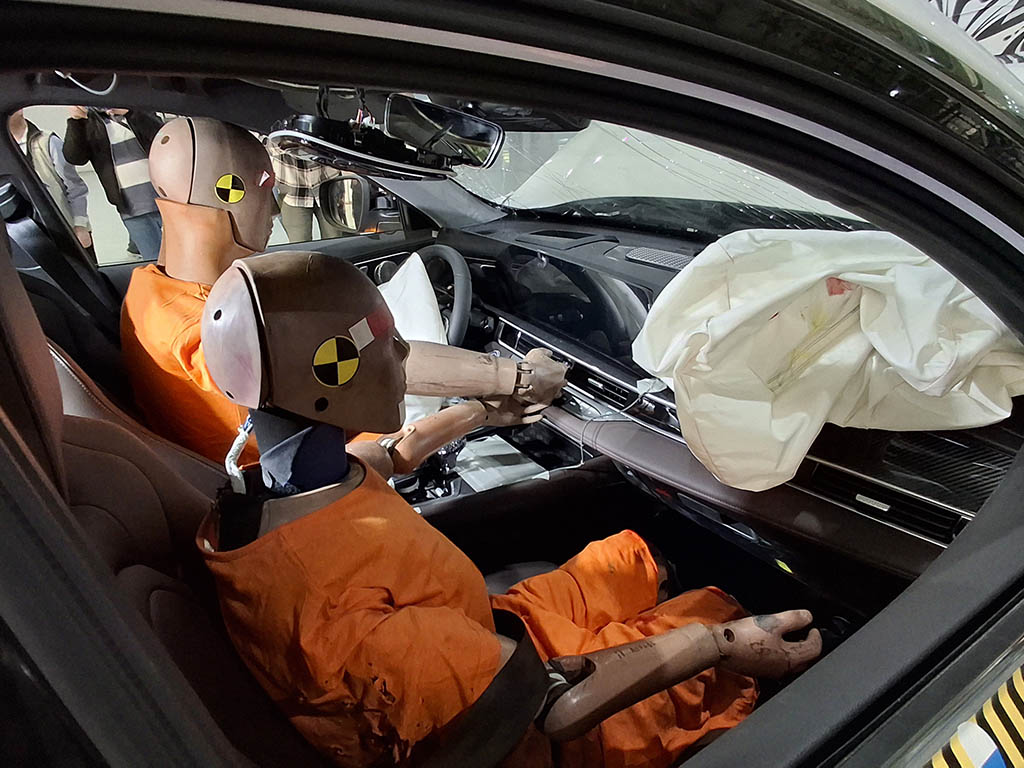
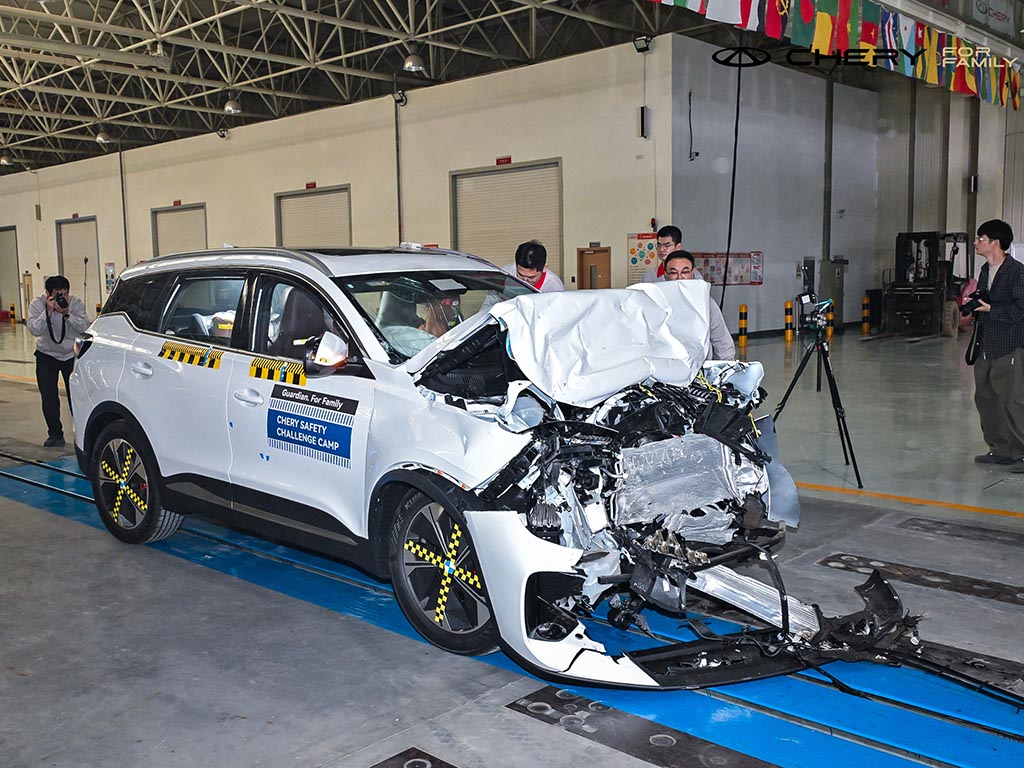
We were treated to a crash test involving a development version of the third-gen Tiggo 7 the following day. This involves the Tiggo 7 crashing into a development version of a Chery truck; with both travelling at 50km/h for a combined impact of 100km/h.
While the Riggo 7 engine compartment saw extensive damage, the passenger compartment was fully intact with all its occupants, including two child dummies at the rear seat, safe. All four doors could be easily opened and the respective airbags were deployed to cushion the frontal impact.
The third-generation Tiggo 7 and X7 would probably be introduced in Malaysia sometime next year as no mention was made of when or where the first overseas official launch would be held.
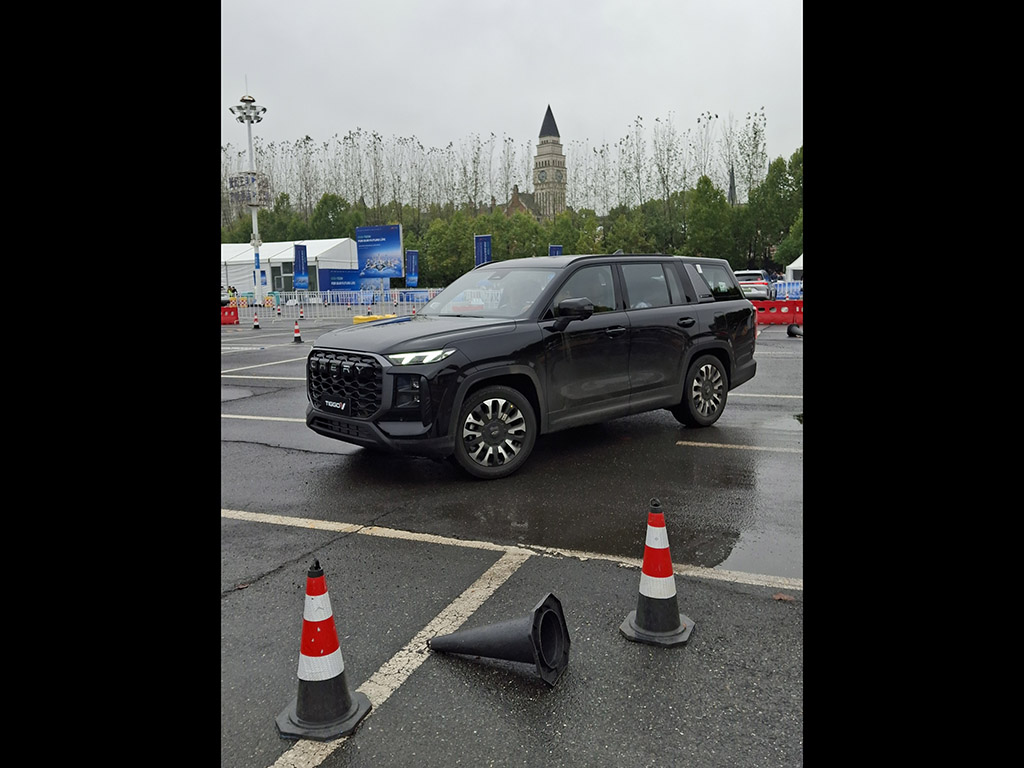
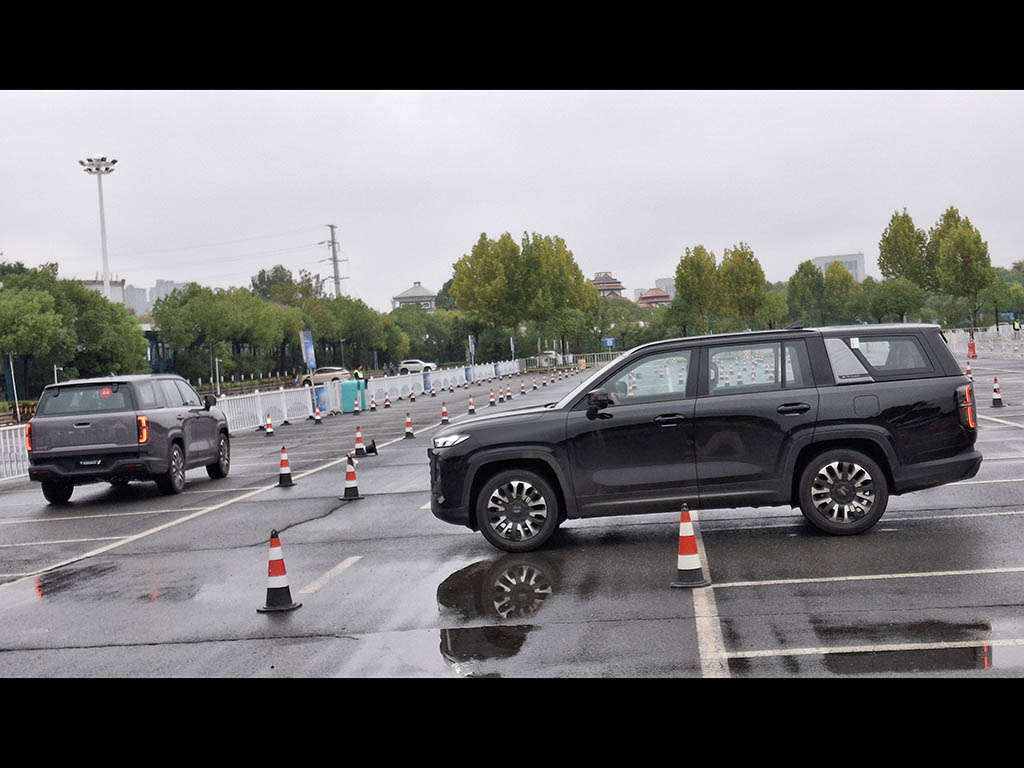
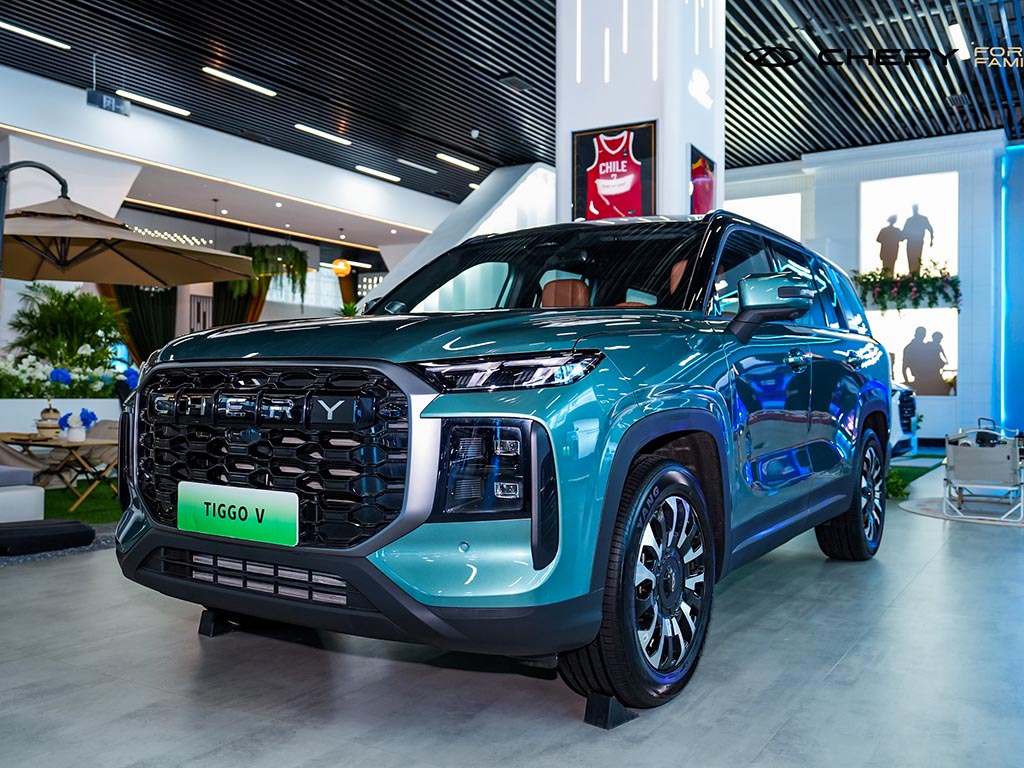
Another Tiggo model of interest is the Tiggo V, which is described as a three-in-one vehicle being an SUV, MPV (multipurpose vehicle) and pick-up. This model was globally introduced at the Beijing Auto China 2026 in April. Its transformable body is said to offer six configurations, with the rear roof being detachable to achieve a pick-up outlook.
It is dimensionally large and is about as big, if not bigger, as the Freelander 8. It has a 2800m wheelbase, 380mm sliding rails for the second and third row seats, and 42 storage compartments. Its off-road capability is supported by its 220mm of ground clearance, water wading depth of 700mm (PHEV) and 600mm (ICE), and taking to gradients above 30 degrees.
We had a slalom drive in the 1.6-litre turbo ICE variant at fair speeds of around 40km/h. For the tight course, the body lean wasn’t too bad for its sizeable dimensions. Would it be introduced here? Chery Malaysia is seeking local customer feedback for such a transformable SUV/MPV/Pick-up.